
 Image 1 of 4
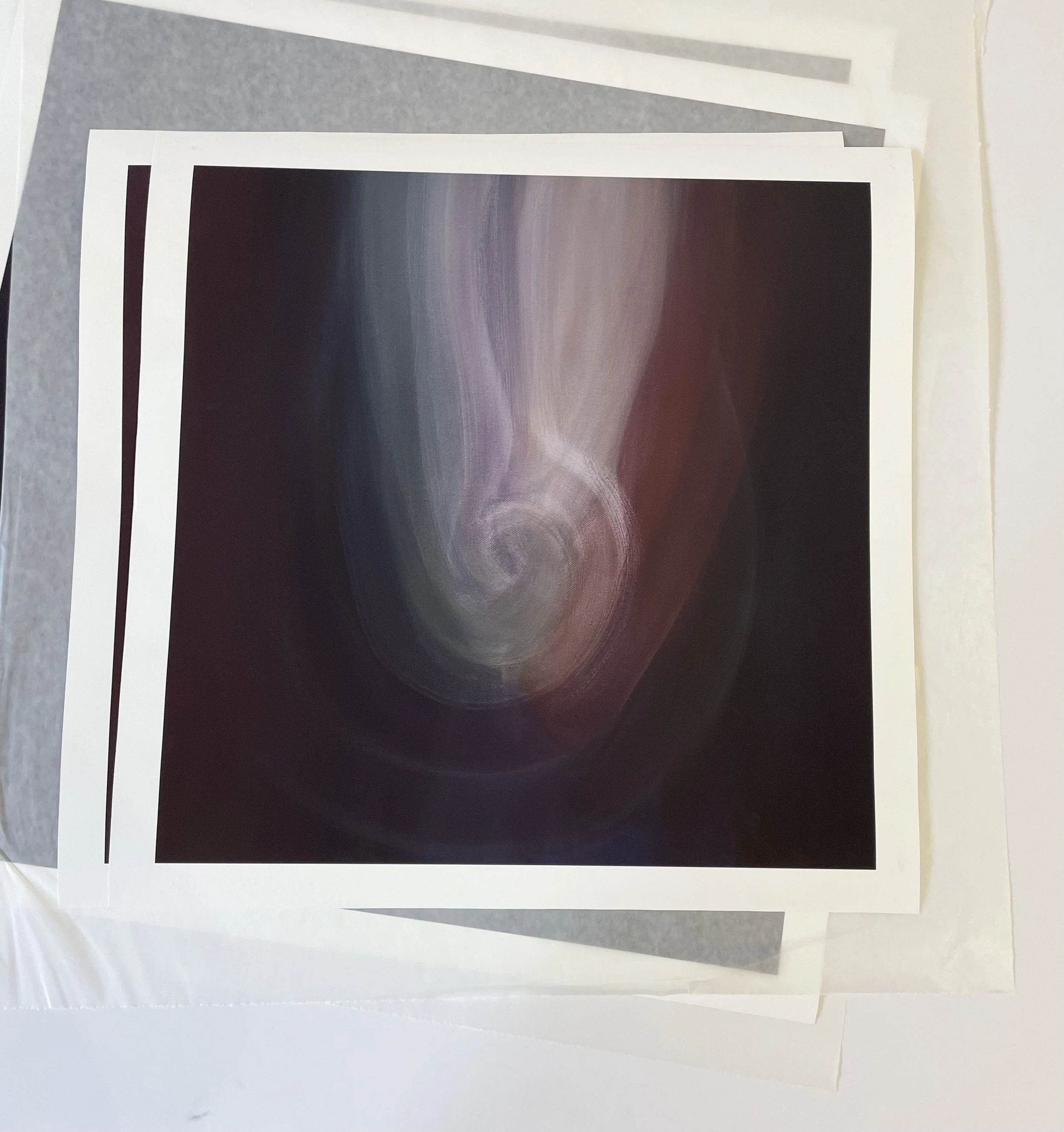 Image 2 of 4
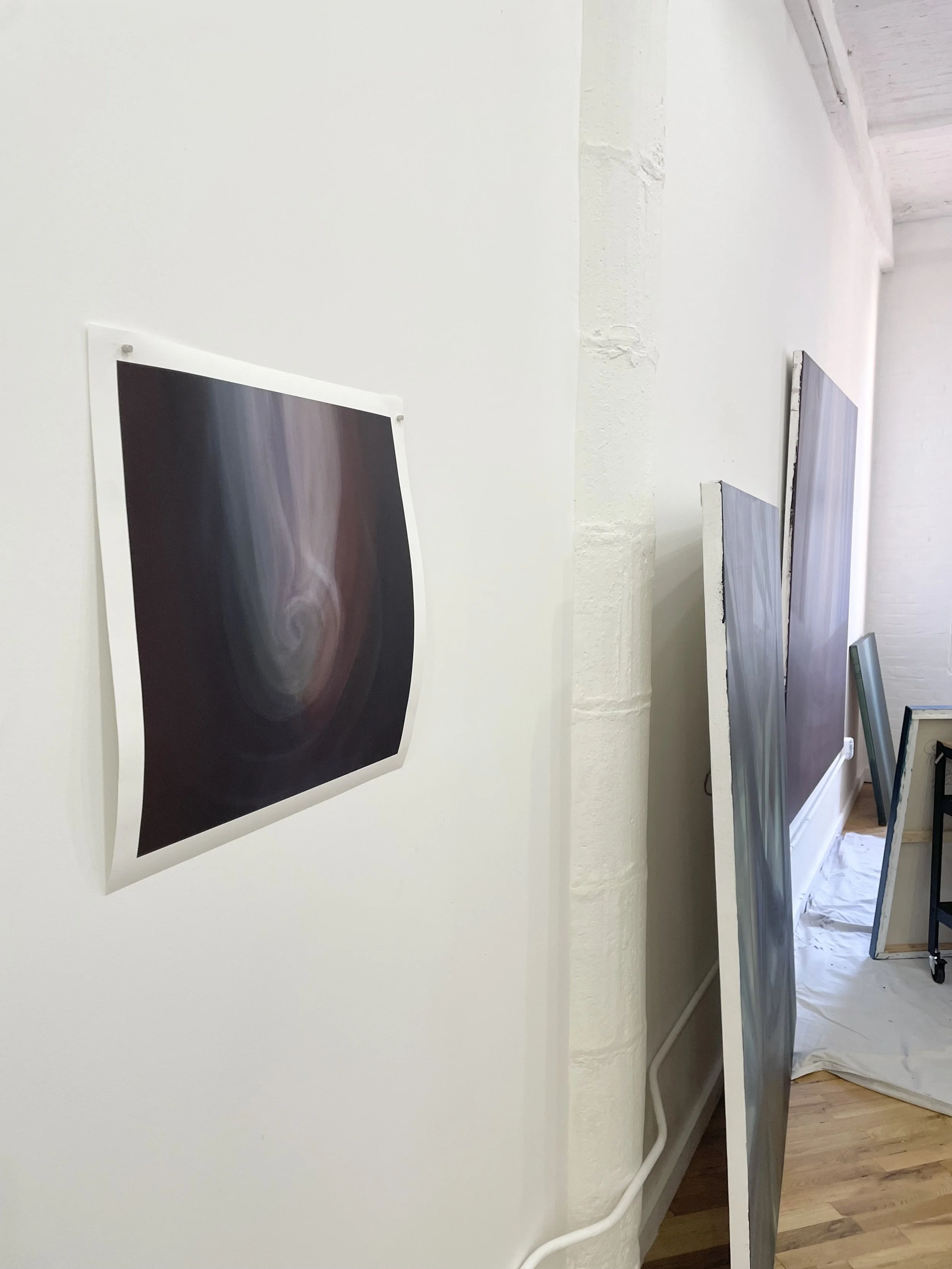 Image 3 of 4
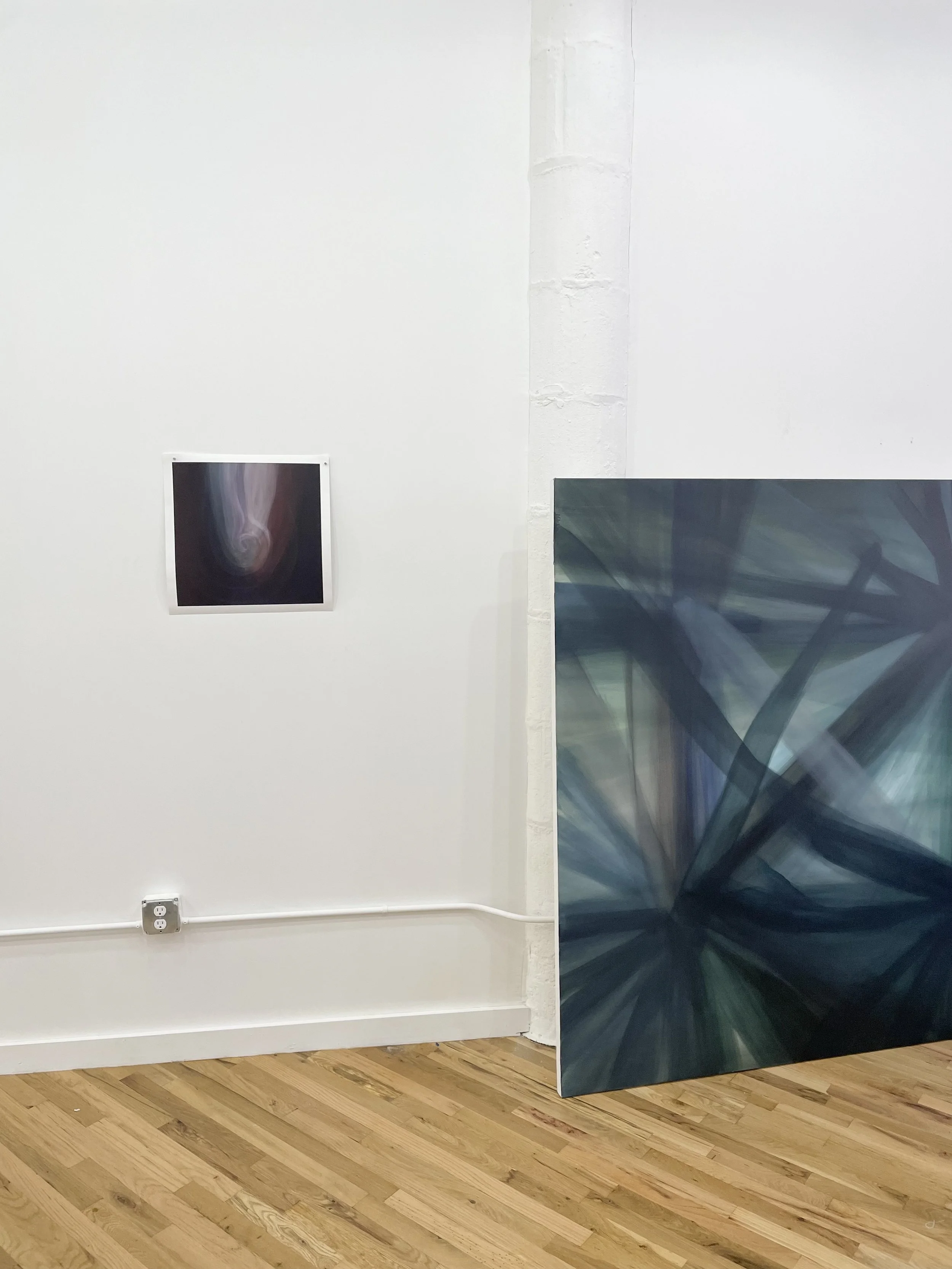 Image 4 of 4
Multiples and their mythologies:
Origins of
Dark Baths
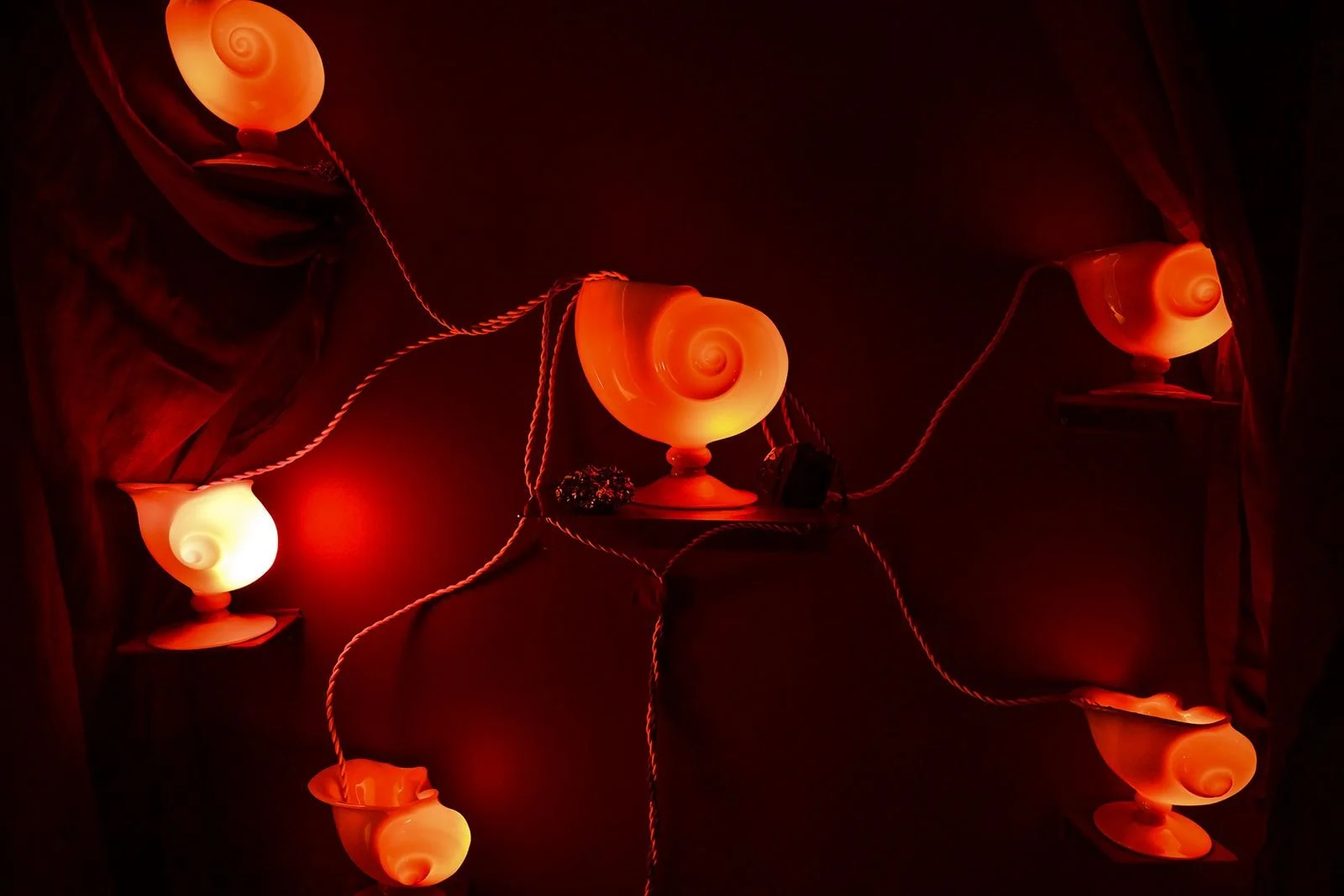
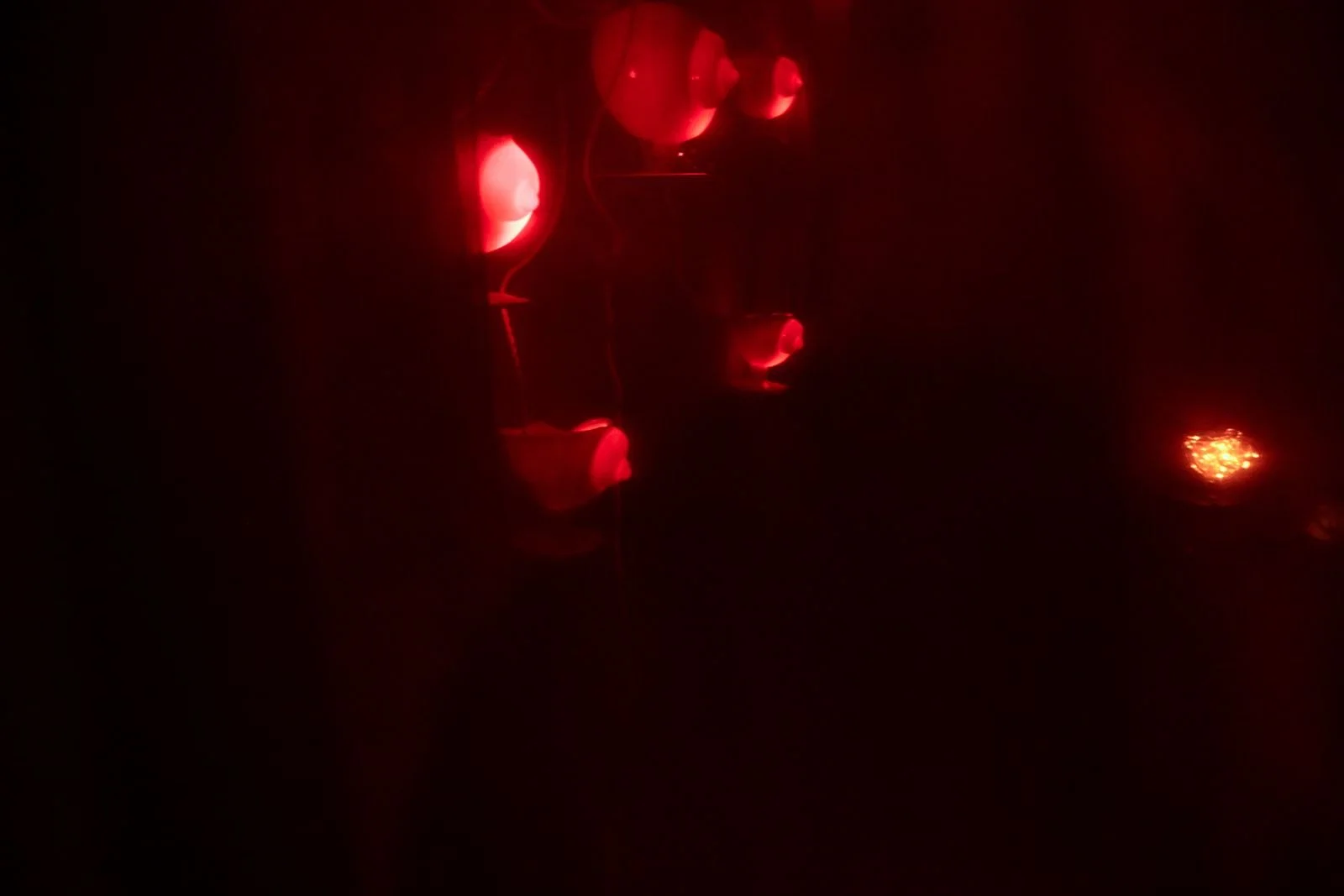
Dark Baths (2026) is a temporary architectural immersion of light and sound by Mallory Page, presented on October 28 and running through January at The Bowen in Downtown Brooklyn. Curated by Jenny Mushkin Goldman of Esta Agency, the work occupies a six-by-nine-foot room in which heavy folds of dyed gauze hang in layered densities, their openings allowing light to register as both distant and internal. Groupings of Cambridge glass spiral vases, long collected by the artist, are connected by strings of light whose glow remains contained and slightly uneven. These forms sit at varying heights among black tourmaline and pyrite, while a low, continuous sound—made in collaboration with Be My Friend and Hey Ganza in New Orleans—is the only element that consistently penetrates the density of fabric and atmosphere.
The work originated as the poem “Dark Baths of Psychic Labor,” which follows a body submerged in near-boiling water until only pulse and shock remain. Over repeated immersions the void shifts from black to burgundy to rose; she recognizes the woman bathing her as herself, and is surprised to miss the animal she nurses back to life. The installation holds that threshold without resolving it, functioning as a psycho-atmospheric shell of memory. Its forms and chambers echo the breast in Frida Kahlo’s My Nurse and I (1937), the measured spaces of Remedios Varo, and the enclosed cells of Louise Bourgeois, keeping open the animal-human crossing Adrienne Rich described in the maternal body.
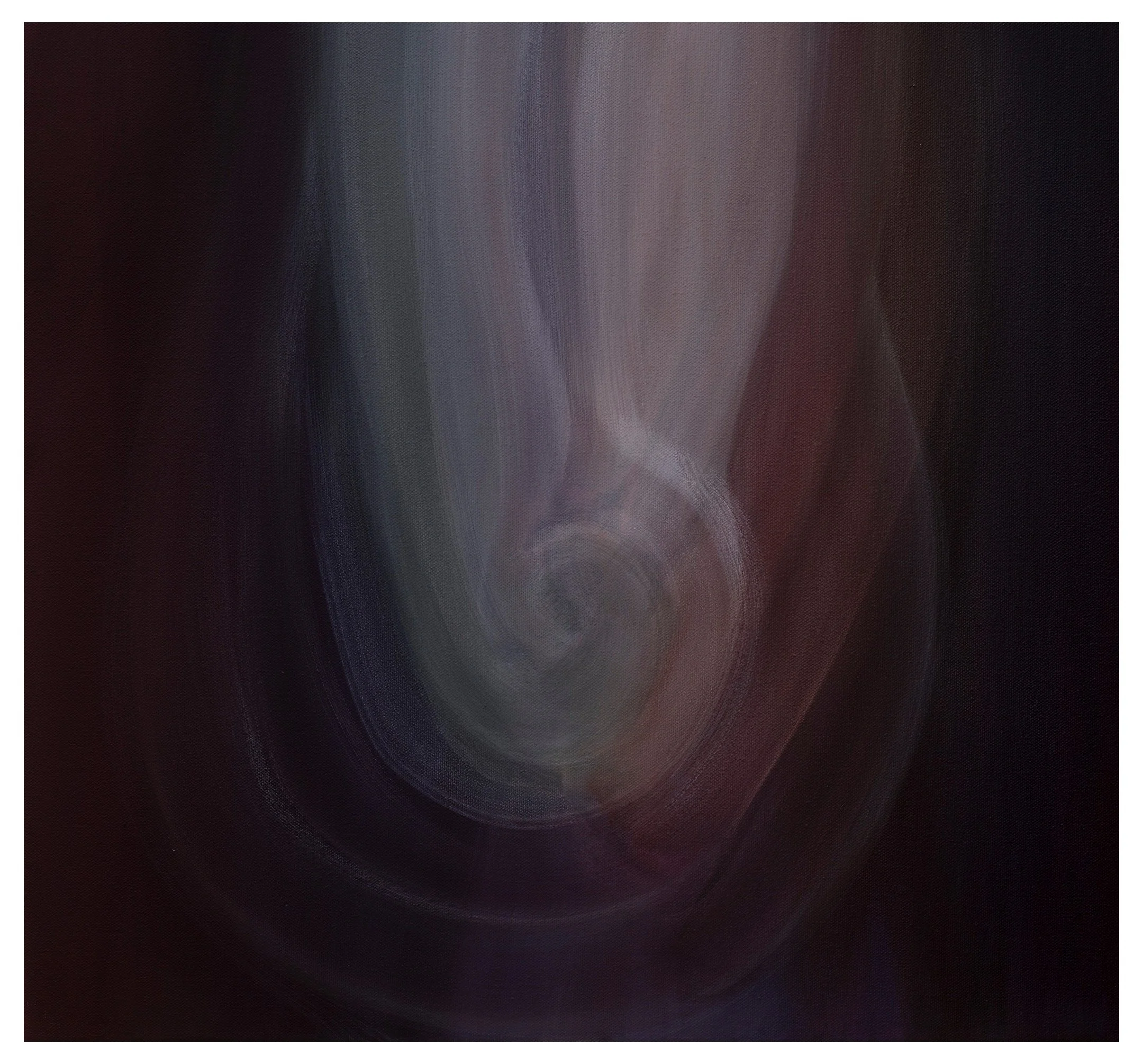
Material choices entered by intuition—tourmaline, which develops an electrical charge under pressure, and pyrite, whose iron was forged in stellar cores—sit among the shells as quiet conductors linking terrestrial matter to the larger cycles that produce it. This is the first public sharing of Page’s long-collected objects; she describes the approach as “immersive poetics.” A limited, time-based print work also titled Dark Baths, published by Villa Venus in collaboration with Andy Romer Photography, accompanies the installation, offering a more accessible encounter with the same threshold and supporting the larger project.
Installation photography by Aurora Rose Decrosta